
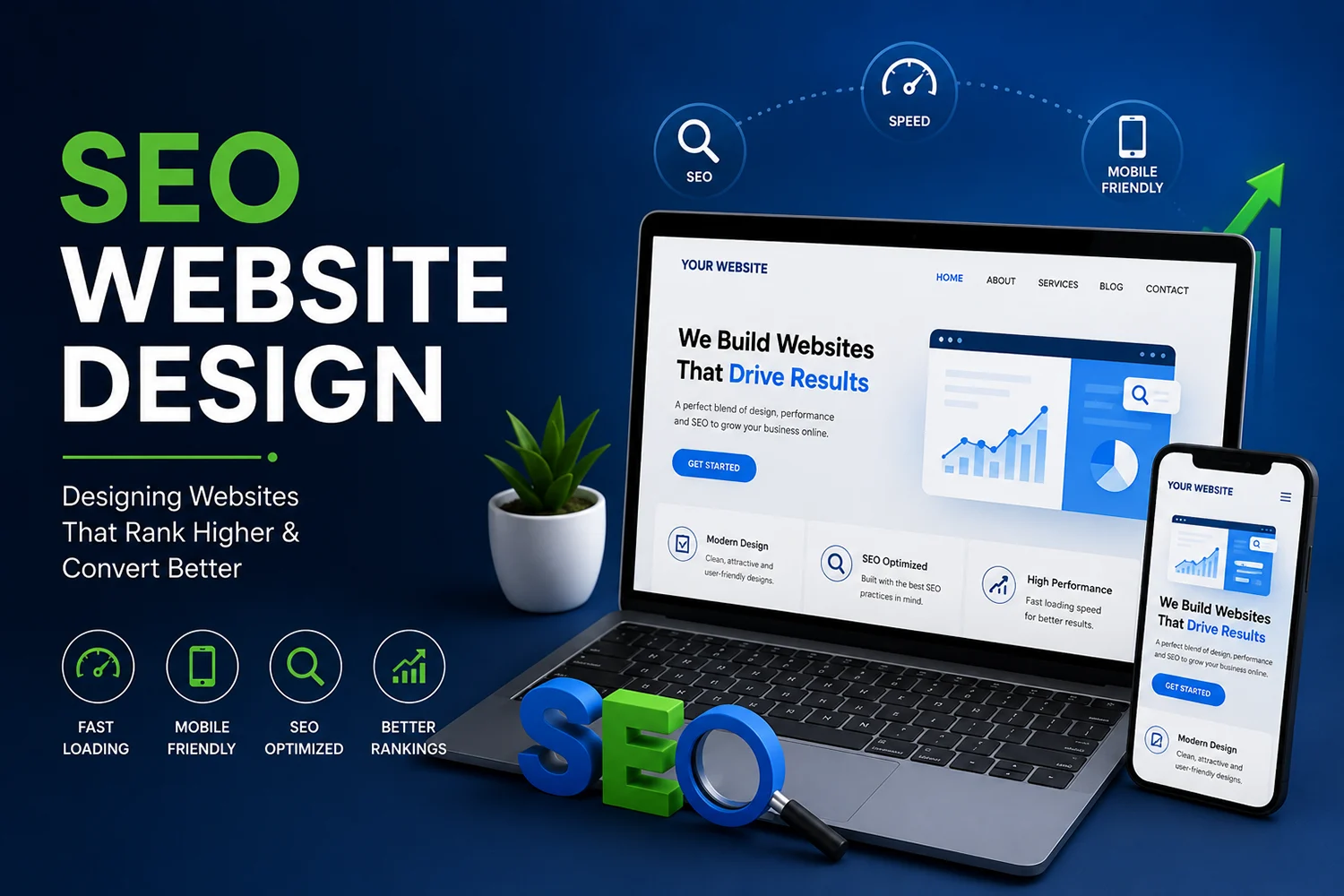
SEO website design is the process of creating websites that combine attractive visuals with search engine optimization techniques. In today’s digital world, creating a beautiful website alone is not enough. Businesses need websites that not only look professional but also rank well in search results, load quickly, and deliver a smooth user experience.
A properly optimized website helps businesses attract organic traffic and improve visibility on search engines. Instead of treating design and optimization separately, companies now integrate both elements from the beginning of the development process.
Businesses looking for complete digital growth can also explore search engine optimization services to improve overall online visibility.
Why SEO-Friendly Website Design Matters
SEO website design focuses on creating websites that search engines can easily understand while maintaining an excellent experience for users. Search engines analyze factors such as page speed, mobile responsiveness, navigation structure, and content organization when determining rankings.
A website designed with optimization principles offers several advantages:
- Better search engine visibility
- Faster loading speeds
- Improved mobile experience
- Higher user engagement
- Increased conversion opportunities
When users can quickly find information and navigate easily, they tend to stay longer on the website, reducing bounce rates and improving ranking signals.
Essential Elements of Search-Optimized Web Design
Several important elements contribute to successful website performance strategies.
Responsive Website Design for Mobile Users
Mobile traffic continues to dominate online browsing. Responsive layouts automatically adjust to different screen sizes and devices, ensuring users enjoy a consistent experience.
Search engines also prioritize mobile-friendly websites because they improve accessibility and usability.
Website Speed and Search Performance
Website speed is a critical ranking factor. Slow websites frustrate visitors and increase bounce rates. Optimized images, clean coding structures, and reduced unnecessary scripts help improve loading times.
Fast websites create better experiences and encourage users to explore more pages.
User Experience and Site Structure Optimization
Good user experience supports both visitors and search engines. Organized navigation, clear menus, readable typography, and structured content make websites easier to understand.
Using proper heading structures such as H1, H2, and H3 tags also helps search engines interpret content relevance.
For better website functionality, businesses can also consider custom website development solutions that improve user engagement and performance.
Future Trends in SEO Website Design
As technology evolves, website optimization continues to change. Artificial intelligence, voice search optimization, and user-focused experiences are becoming major priorities. Businesses investing in smart design strategies can improve rankings and remain competitive.
A well-designed website should do more than simply look good. By combining visual appeal with optimization techniques, businesses can build strong digital foundations that generate long-term traffic and growth.