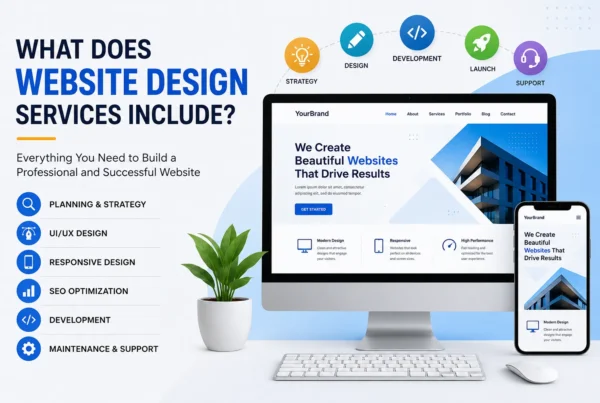


The digital world is evolving faster than ever, and businesses must stay ahead by adopting the latest website design trends 2026 to remain competitive. Modern users expect websites to be visually stunning, lightning-fast, mobile-friendly, and highly interactive. In 2026, brands are focusing on creating immersive digital experiences that combine creativity with functionality. From AI-powered interfaces to minimalist layouts, the future of modern web design is all about user engagement and seamless navigation.
1. AI-Powered Personalized Experiences
Artificial Intelligence is transforming the way websites interact with users. Websites in 2026 are becoming smarter by analyzing visitor behavior and delivering personalized recommendations, dynamic content, and chatbot assistance in real time. AI-driven personalization improves customer engagement and helps businesses increase conversions through better user experiences.
2. Minimalist Yet Interactive Design
Minimalism continues to dominate modern web design, but with a more interactive approach. Clean layouts, bold typography, and ample white space help users focus on important content. Designers are combining simplicity with micro-interactions, hover animations, and subtle motion effects to create engaging experiences without overwhelming visitors.
3. Dark Mode & Dynamic Color Schemes
Dark mode remains one of the strongest UI UX trends in 2026. Users prefer visually comfortable interfaces that reduce eye strain, especially on mobile devices. Websites are also adopting dynamic color themes that automatically adjust based on user preferences or device settings, creating a more personalized browsing experience.
4. Immersive Scrolling & 3D Elements
Interactive scrolling effects, parallax animations, and 3D visuals are becoming key features in website design trends 2026. These elements create a storytelling experience that keeps visitors engaged longer. Businesses are using immersive visuals to showcase products, services, and brand identity in a more memorable way.
5. Mobile-First & Speed Optimization
With mobile traffic continuing to dominate, responsive and mobile-first design is now essential. Websites must load quickly and function smoothly across all devices. Speed optimization, lightweight frameworks, and clean coding practices are becoming critical components of successful modern web design strategies.
6. Voice Search & Accessibility Integration
Voice search optimization is growing rapidly as more users rely on smart assistants and voice-enabled devices. Websites in 2026 are being designed with accessibility in mind, ensuring better navigation for all users. Features like voice-friendly interfaces, readable typography, and accessible layouts improve both usability and SEO performance.
7. Advanced UI UX for Higher Engagement
User experience remains the core focus of every successful website. The latest UI UX trends emphasize intuitive navigation, personalized interfaces, faster interactions, and engaging content layouts. Businesses that prioritize user experience are seeing higher retention rates, better engagement, and improved customer satisfaction.
Conclusion
The future of web design is centered around speed, personalization, accessibility, and immersive experiences. Businesses adopting these website design trends 2026 can create stronger brand identities and improve user engagement significantly. By combining creativity with functionality, modern web design continues to evolve into smarter and more interactive digital experiences that drive real business growth.