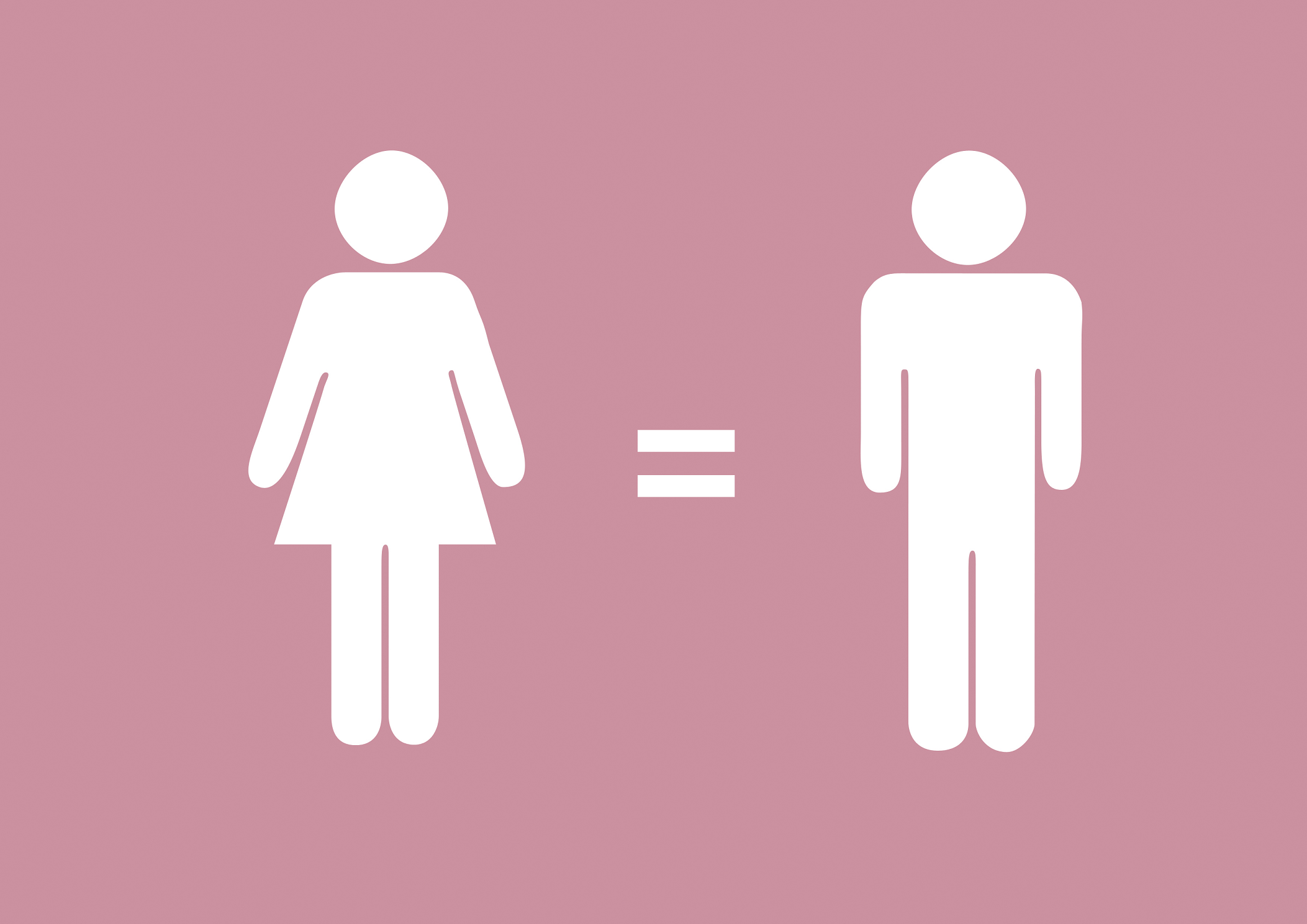
The existence of gender stereotyping in the advertising industry is as old as time. And we, as advertisers, are here to throw some light at this long-lived issue. As an advertising agency, we’ve come a long way with the realization that it is not often advertisers but brands that show women as perceived by men. Modern women don’t identify with what they see in ads. According to a study by J. Walter Thompson, just 3% of women are portrayed as aspirational in ads, or in leadership positions, and only 0.03% of women portrayed as funny. Only 1% of women were portrayed as heroes or problem solvers.
Women are seemingly more likely to be objectified with one ten female actors shown in sexually revealing clothing- six times the number of male actors and when it comes to humor, men are twice more likely to be funny as women and in terms of intelligence, 62% more likely than women. Other measures on age, location & work follow a similar pattern, underlining the ongoing persuasiveness of gender inequality in advertising.
Here’s looking at some of the broad categories of advertisements in which women are stereotyped:
- Deodorants: This is the first thing that pops up in our heads at the mention of gender stereotyping in advertisements. While women deodorants are depicted as a substance or a basic commodity to maintain body hygiene, men’s deodorants are depicted as a tool to attract women or engage in sexual favors from women.
- Washing powder: Now here’s another example of why the concept of advertising an everyday commodity which is confined to just one gender. It is always women who we see appearing in the ads related to washing powder ads and never men which, however, a blatant ignorance of the fact that even men wash clothes.
- Cosmetics: When it comes to cosmetics, the concept of beauty is where advertising is the most gender biased. While men’s beauty products are associated with fighting off skin problems, tanning, skin acne, etc., women’s beauty products are associated with their success, luck in love, higher education, etc. Unbelievable, right?
- Home loans: This might surprise to you but if you watch a number of home loan ads, you’ll notice that not many, in fact, none of them showcase a woman applying for home loans. Contradictory to the fact that women today, are quite independent and capable of buying a home for themselves as well as their family, it is always the men in the family applying for home loans.
This needs to change. Even though Portraying evolving gender roles aptly has always been a tough nut to crack for ad agencies, there have been a few advertisements that outrightly broke gender stereotypes. Here’s looking at some of them:
- Ariel’s ‘Share the load’: Ariel’s #ShareTheLoad ads address the problem, asking an important question: Why is laundry only a mother’s job? A perspective we don’t get to see a lot is explored in this ad. We see a young woman balancing her professional and personal life while her father observes how her husband doesn’t help with the household chores. This isn’t an uncommon sight in India. Women have to create a balance, ensure that both their worlds do not crash and burn while the husband’s duties end with ‘breadwinning.’ The ad ends on a positive tone with the father returning home and helping his wife load the laundry.
- Havell’s ‘Hava Badhegi’: A couple sitting at a registrar’s office, with the husband taking the wife’s last name and making the official do a double take. A brilliant yet simple take to break the gender stereotype.
- Titan Raga’s ‘Her Life Her Choices’: Titan Raga celebrated the ‘Woman of today’ in this empowering advertisement. They showed us a strong and independent woman who is capable of making her own life choices. She has aspirations and is not afraid to take control of her life in her hands. It is really interesting to see how they have depicted a high-spirited woman with an aura of sensuality wrapped around her.
It is about time that brands & marketers broadly embrace the un-stereotype movement, such as ensuring they have diverse teams both internally & at their external partners, tracking performance, identifying a clear purpose that enables the brand to celebrate diversity, thinking long-term and reaching out across the company, well beyond the marketing department. It also outlines the benefits of taking a more progressive approach from a political & social perspective as well as business benefits for brands, particularly given the number of purchase decisions that are influenced or made by women.